

The short answer
Carbon threads sewn in a grid give the garment panel-to-panel continuity so charge on the body does not discharge through the cloth.
How ESD smock fabric shields a circuit
Sew a conductive grid into the cloth
Conductive materials used in static-control products include aluminum, carbon, nickel, and silver. In smocks and lab coats, black carbon-based threads are sewn in a grid across the cotton or polyester.
Block the discharge with that grid
The grid keeps static on the body from leaping through the smock onto nearby electronics. Panel-to-panel continuity is how the garment is tested against the minimum ESD smock definition in ANSI/ESD S20.20.
Wash it like a delicate barrier
Use only liquid non-ionic detergents suited to delicate cloth such as wool. Most garments are rated for 100 washes. Weekly wash services can overheat the carbon thread in drying and melt it.
Shop the garments
ESD Smocks present a conductive, static shielding barrier between electrostatic discharges (ESD) emanating from your body and any electronics that you may be near.
ESD Smock Material
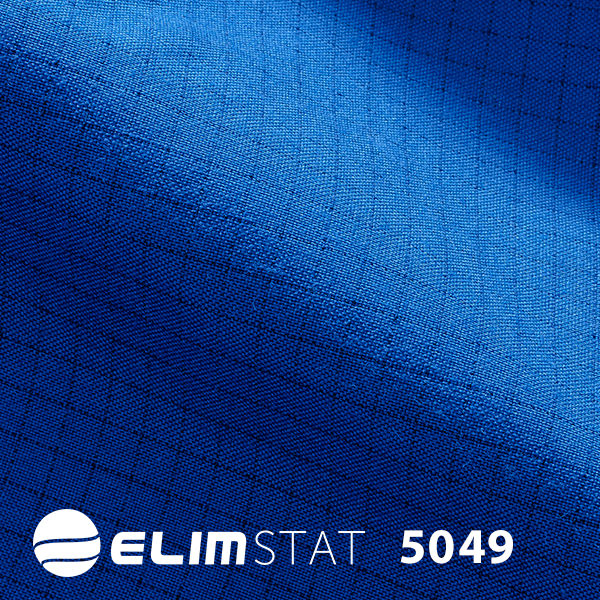
First, let’s look at the “static shielding” properties of ESD Clothing.
Conductive materials commonly used in static control products include aluminum, carbon, nickel, and silver.
In ESD Smock and Lab Coats, black carbon-based threads are sewn into a grid across the surface of the cotton or polyester in a patchwork pattern. This is how electricity travels through the garment.
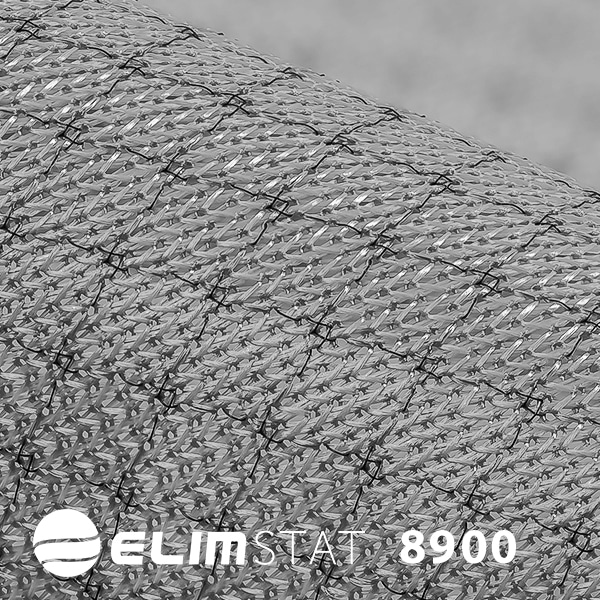
Much like a fence protects a yard, the grid pattern of the black carbon threading prevents static electrons on your body from leaping through the smock as electrostatic discharges (ESD) and zapping nearby electronics.
This panel-to-panel continuity is how we test ESD smocks to ensure they meet the minimum definition of an “ESD Smock” per ANSI/ESD S20.20.
Photographed here at macro scale, you can see how delicately the fabrics are woven over each panel. This is why, when cleaning garments, it is essential to use only liquid non-ionic detergents suitable for similarly delicate materials such as wool.
Most garments are rated for only 100 washes, so be wary of cleaning services that offer to wash garments weekly. These services also typically overheat the carbon-based thread during mass garment drying, causing it to melt. Remember to treat your garments as a barrier that keeps static out of your products.
Questions this guide answers
What makes the smock conductive?
Black carbon-based threads sewn in a grid across cotton or polyester. That grid is the path electricity takes through the garment.
What does the grid stop?
Static on the body discharging through the cloth onto nearby electronics. The article compares the grid to a fence around a yard.
How is the minimum ESD smock defined here?
By panel-to-panel continuity, tested against ANSI/ESD S20.20.
How should the garment be cleaned?
Only with liquid non-ionic detergent. Most garments are rated for 100 washes, and high-heat drying can melt the carbon thread.